
Support For Your Child
Executive Functioning Skills in Children Ages 4–7: What’s Typical and How to Support Them
Executive functioning skills play a major role in a child’s ability to manage behaviour, emotions, and daily routines — especially between the ages of 4 and 7.
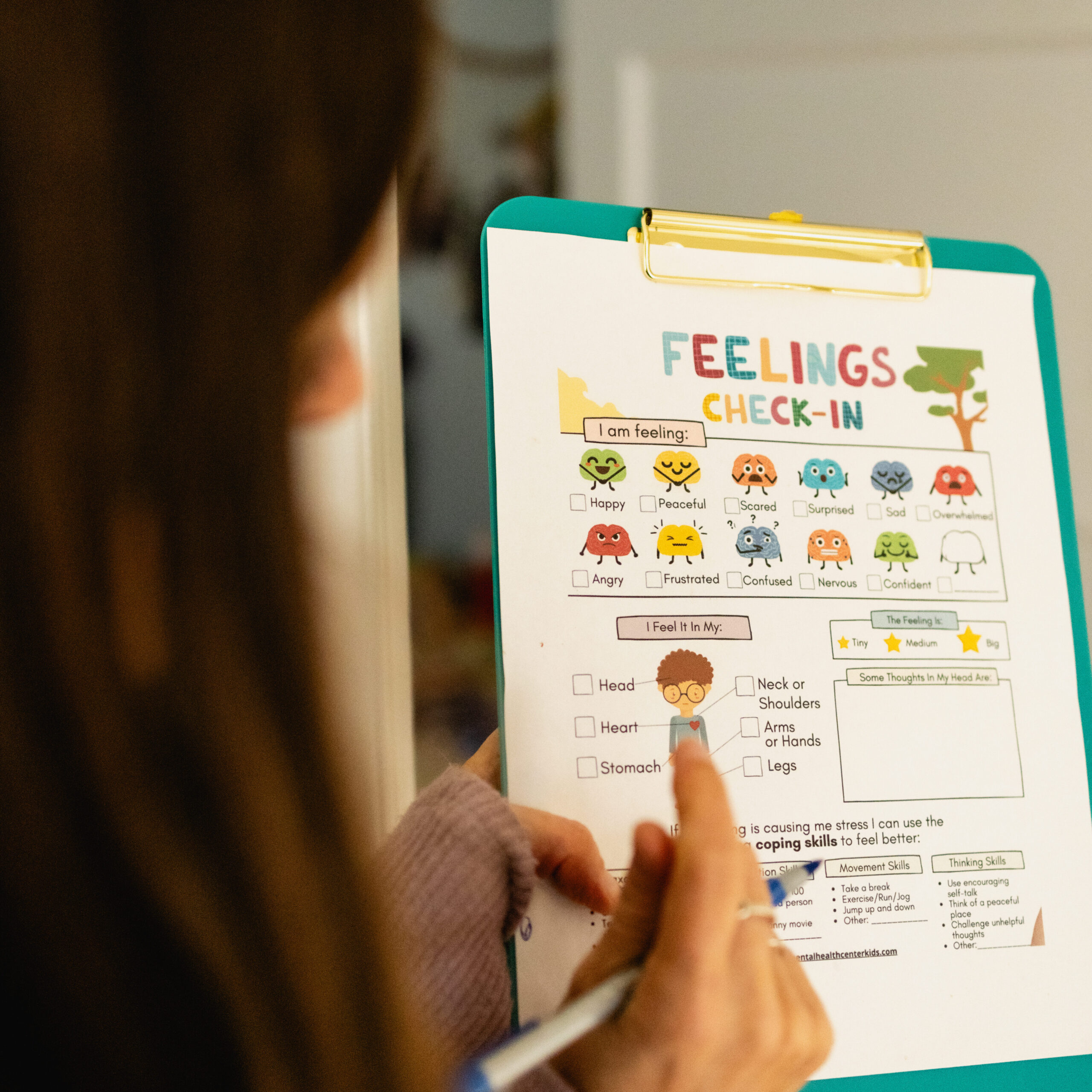
This post breaks down what executive functioning looks like in young children and how to support these skills in a developmentally appropriate, compassionate way.
If your child struggles with impulse control, emotional regulation, transitions, or following directions, you’re not alone. These challenges are common at this age and often reflect developing executive functioning, not defiance or poor behaviour.
What Is Executive Functioning in Young Children?
Executive functioning refers to a set of brain-based skills that help children:
- Control impulses
- Regulate emotions
- Remember and follow instructions
- Shift attention between tasks
- Start and complete activities
In children aged 4–7, these skills are still under construction. The areas of the brain responsible for executive functioning continue developing well into adolescence.
This means young children often need adult support and structure to manage expectations that rely on these skills.
Common Executive Functioning Challenges in Ages 4–7
Many parents search for executive functioning support after noticing behaviours such as:
- Difficulty waiting or taking turns
- Big emotional reactions to small problems
- Trouble following multi-step directions
- Impulsive behaviour with peers
- Struggles with transitions (especially stopping preferred activities)
These behaviours are often misinterpreted as:
- Defiance
- Attention-seeking
- Aggression
- Lying
In reality, many children are overwhelmed, dysregulated, or missing the skills needed to pause and plan.
What’s Developmentally Typical for Executive Functioning at This Age?
Between ages 4 and 7, it is developmentally appropriate for children to:
- Need frequent reminders
- Struggle with emotional regulation
- Act impulsively during play or group activities
- Have difficulty adapting to changes in routine
- Rely on adults to help organize tasks and emotions
Executive functioning at this age is borrowed from caregivers. Children learn these skills through repeated co-regulation and practice, not through consequences alone.
Why Behaviour Often Improves With Support (Not Punishment)
When executive functioning demands exceed a child’s capacity, behaviour breaks down.
Punitive approaches often fail because they:
- Expect skills the child doesn’t yet have
- Increase stress and dysregulation
- Reduce opportunities for learning
Skill-building approaches work because they:
- Reduce cognitive load
- Teach replacement skills explicitly
- Reinforce effort and progress
Behaviour changes when skills improve, not when children feel pressured to “try harder.”
How to Support Executive Functioning Skills in Children Ages 4–7
1. Externalize Executive Functioning Supports
Young children benefit from having executive functioning built into the environment.
Helpful supports include:
- Visual schedules
- Timers for transitions
- Clear, consistent routines
- Reduced verbal instructions
These tools are not “crutches.” They are developmentally appropriate scaffolds that help children succeed.
2. Teach Skills During Calm Moments
Executive functioning skills cannot be taught during meltdowns.
Practice skills like:
- Waiting
- Turn-taking
- Asking for help
- Problem-solving
during regulated, low-stress moments. This is when learning actually happens.
3. Use Fewer Words During Dysregulation
When a child is emotionally overwhelmed, their brain cannot process complex language.
Support regulation first by:
- Using a calm tone
- Keeping language simple
- Offering predictable responses
Teaching and discussion come after the child is calm.
4. Reinforce Effort, Not Perfection
Executive functioning develops through repeated attempts.
Reinforce:
- Pausing before reacting
- Trying again after a mistake
- Asking for help instead of escalating
Progress may be subtle at first — consistency matters more than speed.
A Helpful Reframe for Parents and Educators
Instead of asking:
“Why won’t they listen?”
Try asking:
“What executive functioning skill is still developing?”
This shift changes how adults respond and creates more effective, compassionate support for children.
Final Thoughts on Executive Functioning in Young Children
Executive functioning challenges in children aged 4–7 are not signs of failure, they are signs of development in progress.
Children thrive when adults provide:
- Predictability
- Co-regulation
- Clear expectations
- Skill-based support
When we meet children where they are developmentally, behaviour improves and so does connection.
Coming Soon:
I’m working on a new Executive Functioning program and a DIY Sleep Training option for families who want flexible, science-backed support they can use at their own pace. More soon — keep an eye out 🌱