
What I’ll Be Doing Early With My Baby to Set Them Up for Sleep Success Later
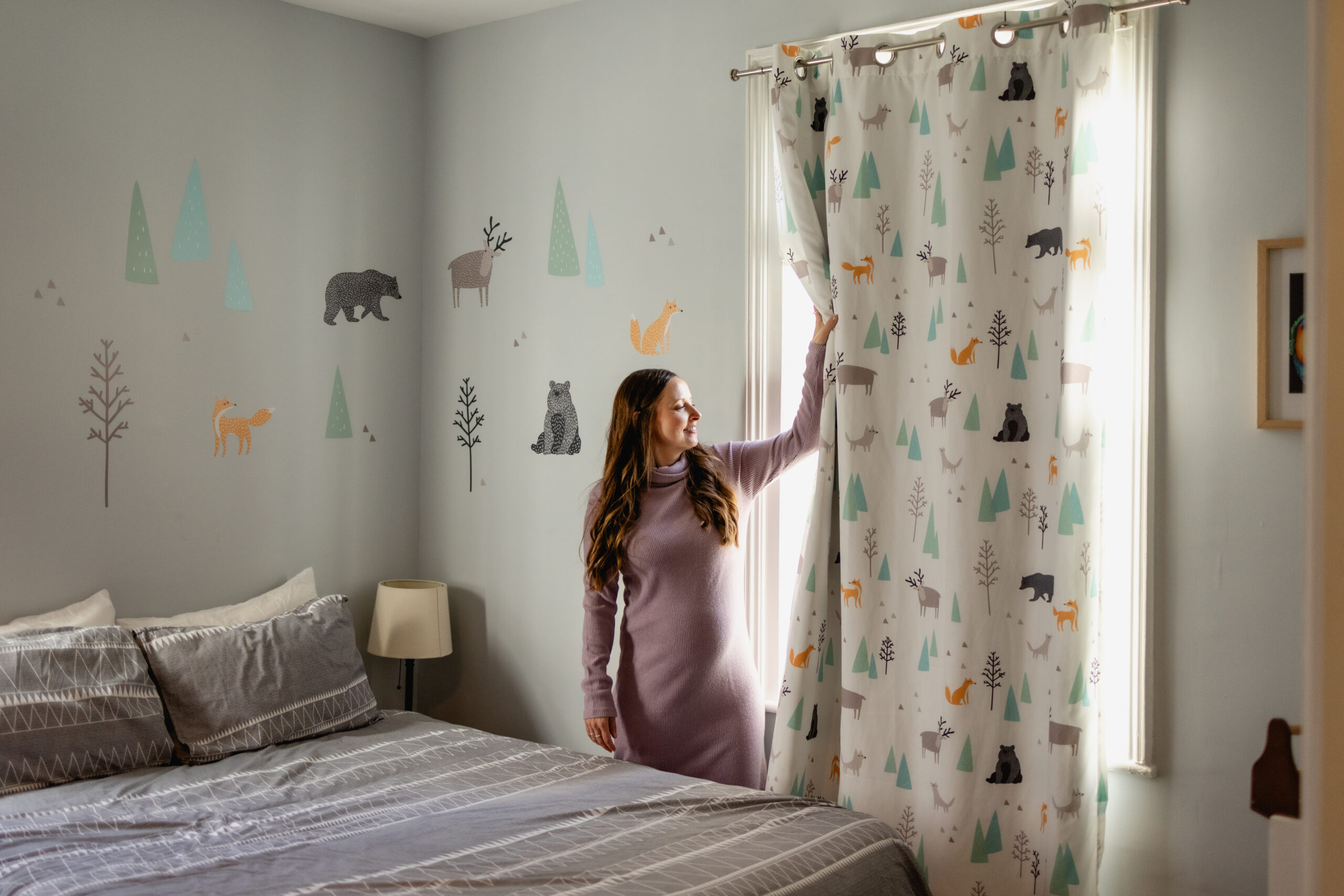
With my third baby, I’m not chasing “perfect sleep.” I’m thinking about foundations.
Years of working with families — and becoming a parent myself — have taught me that sleep challenges rarely start at the moment parents reach out for help. They’re usually shaped much earlier by how supported, regulated, and understood a baby feels, and by how much confidence parents have in reading and responding to cues.
Here are the things I’ll be focusing on early, not to guarantee easy sleep, but to gently support healthy sleep patterns as my baby grows.
1. Prioritizing Regulation Before Routines
In the early weeks, I won’t be rushing schedules or strict clock watching. Instead, I’ll be watching for cues: how my baby shows tiredness, stress, hunger, and comfort needs.
A regulated baby falls asleep more easily not because they’ve been trained, but because their nervous system feels safe. My focus will be on:
- Responsive feeding
- Supporting calm transitions
- Reducing overstimulation
Routines will come later. Regulation comes first.
2. Protecting Sleep Pressure (Without Forcing Sleep)
Sleep pressure matters — but it’s built gradually.
I’ll be mindful of:
- Not keeping my baby awake “just a little longer” to fit the day
- Allowing naps to happen where they naturally fall (carrier, stroller, contact naps included)
- Avoiding overtiredness, which often leads to more night waking, not less
Sleep skills grow best when babies aren’t constantly running on empty.
3. Separating Feeding From the Idea of “Fixing” Sleep
Feeding is connection, comfort, and nourishment not a bad habit.
I’ll feed responsively without trying to manipulate sleep outcomes. Over time, I’ll gently observe patterns and allow natural spacing to happen rather than pushing it early.
This helps babies:
- Learn hunger vs. comfort cues
- Feel safe falling asleep without pressure
- Develop trust in nighttime care
4. Creating Predictable Cues, Not Rigid Schedules
Instead of watching the clock, I’ll focus on predictable signals:
- Similar wind-down steps before sleep
- Consistent sensory input (lighting, sound, movement)
- Calm caregiver presence
These cues help babies anticipate rest, a skill that becomes incredibly valuable later in infancy and toddlerhood.
5. Supporting Daytime Sleep as Much as Nighttime Sleep
Night sleep gets a lot of attention, but daytime sleep lays the groundwork.
I’ll treat naps as protective, not optional. Short naps, contact naps, and “on the go” naps all count. The goal isn’t independence — it’s adequate rest.
Well-rested babies build sleep skills more easily over time.
6. Letting Development Lead the Way
Sleep isn’t linear. Regressions, growth spurts, illness, and developmental leaps all impact sleep — and none of them mean something has gone wrong.
Instead of reacting to every disruption, I’ll ask:
- Is this developmentally expected?
- Does my baby need more support right now?
- What can I adjust without overhauling everything?
This mindset prevents overcorrecting and builds long-term resilience.
Final Thoughts
Sleep success isn’t created by doing everything “right” in the newborn stage. It’s shaped by consistency, responsiveness, and trust over time.
If there’s one thing I’m carrying into this next chapter, it’s this:
Supporting sleep early doesn’t mean controlling it, it means protecting rest, regulation, and connection so sleep skills can grow naturally.
And that’s a foundation worth building.
Coming Soon:
I’m developing two new supports: an Executive Functioning program and a DIY Sleep Training option. Created to meet families where they are, with clarity, compassion, and practical tools. I’ll be sharing more soon.